


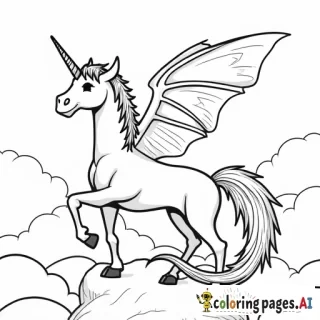
Coloring Techniques for Beginners: Blending, Shading, and Tips
New to coloring? Learn easy blending and shading techniques, how to pick colors, and simple tips to make any coloring page look polished and pro.
Start with the Main Character: Begin with the main character or object, like “a unicorn.” Text at the start has more weight in the image generation. Add Key Details: Enhance the character with specifics, e.g., “a unicorn with a flowing mane.” Specify the Background: Include a scene, like “in an enchanted forest,” or leave it out for a white background. Include Optional Elements: Add extras if desired, such as “with a rainbow and butterflies.” Be Clear About Exclusions: Mention anything you don’t want, like “no background.” Note on Coloring: Some images may have color in them; we are working hard to minimize this. Example of a Good Prompt: “A dragon with large wings, sitting on top of a mountain surrounded by clouds, with a castle in the background.” This prompt clearly defines the main character (the dragon), adds specific details (large wings), includes a setting (on top of a mountain), and adds background elements (clouds, castle). Keep your prompt clear and concise for the best results!
Tips, prompt ideas, and printable inspiration to help you get the most out of your AI coloring pages.
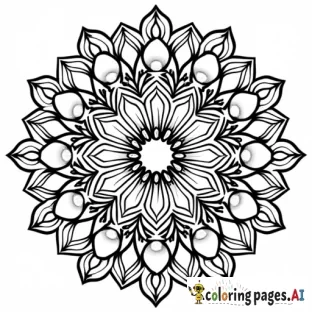
New to coloring? Learn easy blending and shading techniques, how to pick colors, and simple tips to make any coloring page look polished and pro.
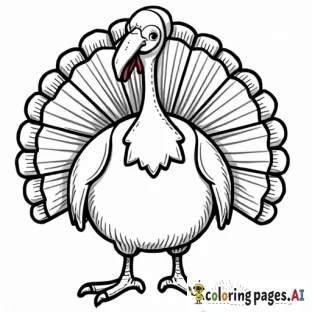
Free Thanksgiving coloring pages: turkeys, pumpkins, cornucopias, and fall leaves. Prompt ideas and print tips for cozy, kid-friendly autumn art.
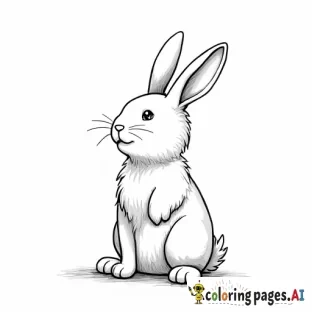
Celebrate spring with Easter coloring pages: bunnies, decorated eggs, baskets, and chicks. Prompt ideas and print tips for festive, kid-friendly art.