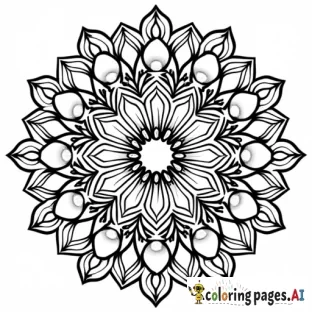
Valentine’s Day Coloring Pages: Hearts, Cards, and Crafts

Valentine’s Day Coloring Pages: Hearts, Cards, and Crafts is one of the most searched topics in Seasonal & Holiday Ideas. This guide is written to be practical: you can apply it today and get better results immediately. We’ll cover common mistakes, best practices, and a step-by-step workflow. Along the way, we’ll also show concrete examples for valentines day coloring pages so you can copy, tweak, and reuse.

Why this matters

Most “bad” coloring pages fail for one of three reasons: the lines are too thin, the composition is too cluttered, or the print settings blur the outlines. When users land on a page from Google, they want a printable result. If the page prints cleanly and looks easy to color, they stay longer, browse more pages, and share it—exactly the user experience that strong sites are built on.

Quick checklist (save this)

  • Clarity: clean black lines, no heavy shading.
  • Composition: centered subject, enough whitespace.
  • Audience: thick outlines for kids; medium detail for adults.
  • Print: print at 100% scale and use high quality.
  • Safety: avoid copyrighted character names; describe original characters instead.

Step-by-step workflow

1) Decide the audience and difficulty

Start by deciding who the page is for. A 5-year-old benefits from bold outlines and large shapes. A teen or adult prefers medium-to-high detail, patterns, and backgrounds. This one choice determines the style you should ask for and the type of content you should publish.

2) Use the right prompt structure

A reliable prompt structure is: Subject + style + detail level + background + composition + constraints. For printable coloring pages, your constraints should usually include: “black and white”, “clean line art”, and “no shading”.

If you want predictable results, add one more line: line thickness and complexity. For example: “thick outlines, large shapes” (kids) or “medium detail, clean outlines” (adults). This prevents outputs that look too faint when printed.

3) Validate the output (before you publish)

Before you publish or share a page, check these points:

  • Are the lines thick enough at normal zoom?
  • Is the subject clearly recognizable?
  • Is there enough open space for coloring?
  • Will it print well (no tiny clutter)?

As a final check, imagine a child coloring it with markers. If areas are tiny and packed, the page will frustrate users and increase bounce rate. A little whitespace is a feature, not a bug.

4) Print settings that prevent “washed out” pages

If users complain that printing looks light or fuzzy, it’s usually scaling or draft mode. Recommend: 100% scale, High/Best quality, and standard A4/Letter paper. For markers, suggest thicker paper (120–200gsm).

Also remind users: some mobile print flows compress images. If prints look worse from a phone, try printing from a desktop browser, or download the file first and print from a local viewer.

Prompt breakdown: a simple way to improve consistency

When you write prompts, you’re essentially defining a “style guide” for your content library. The more consistent your prompts are, the more consistent your gallery and collections will look—which helps users trust the site.

  • Subject: the main thing (animal, vehicle, scene).
  • Style: “clean line art”, “black and white”, “printable coloring page”.
  • Detail: “simple / medium detail / high detail”.
  • Composition: “centered”, “minimal background”, “white background”.
  • Constraints: “no shading”, “no grayscale”, “no text” (unless you want it).

Most creators get better results by keeping the style consistent and only changing the subject and a few theme words.

Best examples for valentines day coloring pages

Copy and paste these examples, then adjust the theme words. The fastest way to build a strong library is to keep a consistent style and vary the subject.

  • Heart pattern page, clean line art, no shading
  • Cute love-themed animals, thick outlines, no shading
  • Valentine card template, black and white line art, no shading

On-page SEO: what to include on every article

Search engines (and humans) reward pages that are easy to understand and genuinely helpful. For each article, aim to include:

  • A clear title that matches the search intent (“how to”, “best”, “ideas”).
  • A short intro that promises a practical outcome.
  • Subheadings (H2/H3) that match the questions people ask.
  • Examples users can copy.
  • Internal links to related content.
  • A brief FAQ to capture long-tail searches.

Tip: if your page is a “topic library” (like animals or seasons), include a compact list of subtopics near the top and link to related collections. This helps users browse and increases time on site—especially on mobile.

Common mistakes to avoid

  • Thin outlines: users struggle to color and prints look faint.
  • Busy backgrounds: clutter makes the page feel “muddy”.
  • Ambiguous subjects: people won’t share what they can’t recognize.
  • Copyright traps: avoid brand names; describe original characters.

Another common mistake is forgetting the “job” of a coloring page: it should be easy to color. If your pages look like complex illustrations, many users will leave. Make the coloring experience the priority.

Related guides (recommended)

FAQ

How do I make pages more printable?

Use “black and white line art”, “clean outlines”, and “no shading”. Then recommend printing at 100% scale and high quality.

What’s the fastest way to improve results?

Make the outlines thicker, reduce background clutter, and keep the subject centered with whitespace.

Can I use these pages commercially?

Commercial use depends on your plan and the official Terms of Use. For a simple overview, see Usage license.

Next steps

If you want to generate more pages like this, reuse the prompt structure above and swap the theme keywords. Consistency wins: a consistent style helps your gallery and collections look intentional, not random. If you need help, visit our Help Center.

Login or create account to leave comments

We use cookies to personalize your experience. By continuing to visit this website you agree to our use of cookies

Cookies Policy