


Coloring Pages for Kids: Age-Based Difficulty Guide (3–6, 7–9, 10–12)
The right coloring page meets a child exactly where they are. Too hard and they get frustrated; too easy and they lose interest. This guide matches page difficulty to age and skill, so coloring stays fun and builds confidence at every stage.
Ages 2-3: first scribbles
Toddlers need very large, simple shapes with thick, bold outlines, think one big balloon or a smiling sun. Staying in the lines is not the goal yet; holding the crayon and filling space is. Prompt for "one large simple shape, very thick outlines, no detail."
Ages 3-6: building control
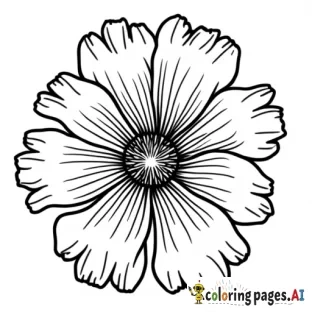
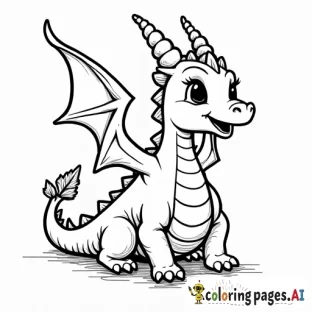
Preschoolers can handle a single clear subject with a few large areas: a friendly animal, a car, a flower. Thick outlines still help them aim. This is a great age for fine-motor practice. Prompt for "a cute [subject], big simple shapes, thick outlines."
Ages 7-9: more detail
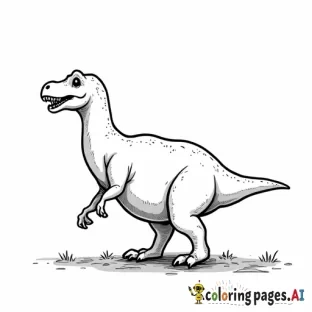
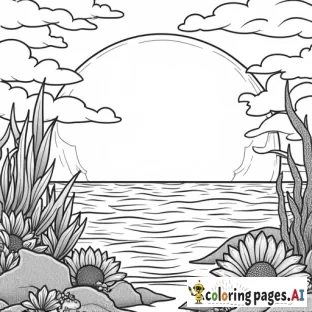
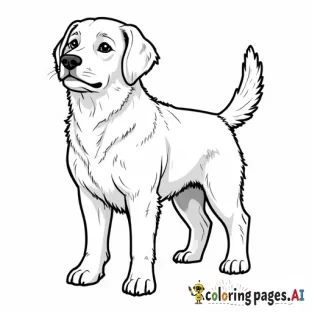
Now kids enjoy scenes and stories: an animal in its habitat, a vehicle on a road, a character doing something. They can manage smaller areas and a bit of background. Prompt for "a [subject] in a simple scene, medium detail, clean outlines."
Ages 10-12: real challenges
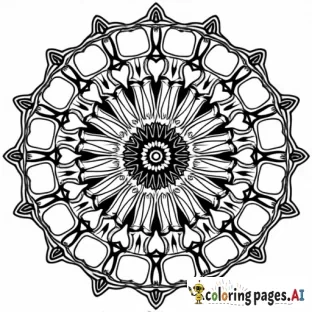
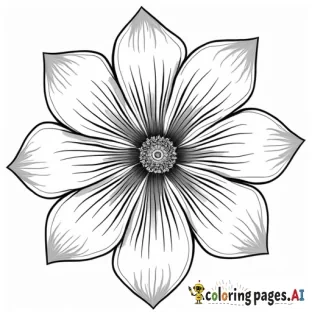
Older kids like detailed, impressive pages: intricate patterns, mandalas, dynamic action scenes. They can color small sections and plan a palette. Prompt for "a detailed [subject], finer line art, more background."
Quick reference
- 2-3: one giant shape, very thick lines
- 3-6: single subject, big areas
- 7-9: simple scenes, medium detail
- 10-12: detailed pages, patterns, action
FAQ
What if my child gets frustrated? Drop to bigger shapes and thicker outlines, success builds interest.
Can one page suit mixed ages? Print a simple and a detailed version of the same theme.
Does coloring help development? Yes, it builds fine-motor skills, focus, and color recognition.
Find the right fit, generate a coloring page for any age.

Comments (0)
No comments found