


Large Print Coloring Pages: Best Sizes and Printing Workflow
Large-print coloring pages, with bigger shapes and bolder lines, are easier and more enjoyable for seniors, people with low vision, young children, and anyone who finds tiny details frustrating. This guide explains how to make them and which sizes work best.
What "large print" really means
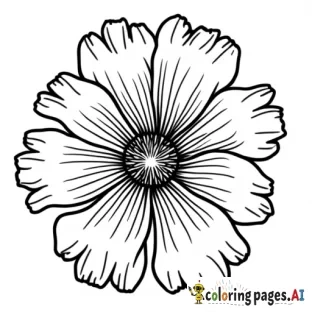
It is not just a bigger page, it is a simpler design: fewer, larger shapes, thick bold outlines, and generous open spaces to color. The goal is comfort and confidence, not intricate detail.
Prompt for large-print pages
- Add "large simple shapes," "thick bold outlines," and "minimal detail."
- Ask for "one clear subject" rather than a busy scene.
- Avoid "intricate" and "detailed", those work against the goal.
Our thick outline guide has more wording that produces bold, easy lines.
Best sizes and paper
Print at A4 or US Letter for everyday use, or go up to A3 for an even more comfortable, low-strain experience. Slightly heavier paper holds firm under shaky or heavy hands and resists tearing.
Who benefits most
- Seniors and low-vision colorists: bigger shapes reduce eye strain.
- Toddlers: large areas build confidence and motor skills, see our preschool worksheets guide.
- Care and therapy settings: simple pages are calming and achievable.
FAQ
What size is best for seniors? A4 or A3 with thick outlines and large shapes.
How do I make a page simpler? Prompt for "large simple shapes" and "minimal detail," and avoid busy backgrounds.
Can I make a large-print book? Yes, keep the style consistent and combine pages into a PDF book.
Make coloring comfortable for everyone, generate a large-print page.

Comments (0)
No comments found